

ManMade Kennels Founder Applies Cattle Breeding Principles to American Bully Genetics
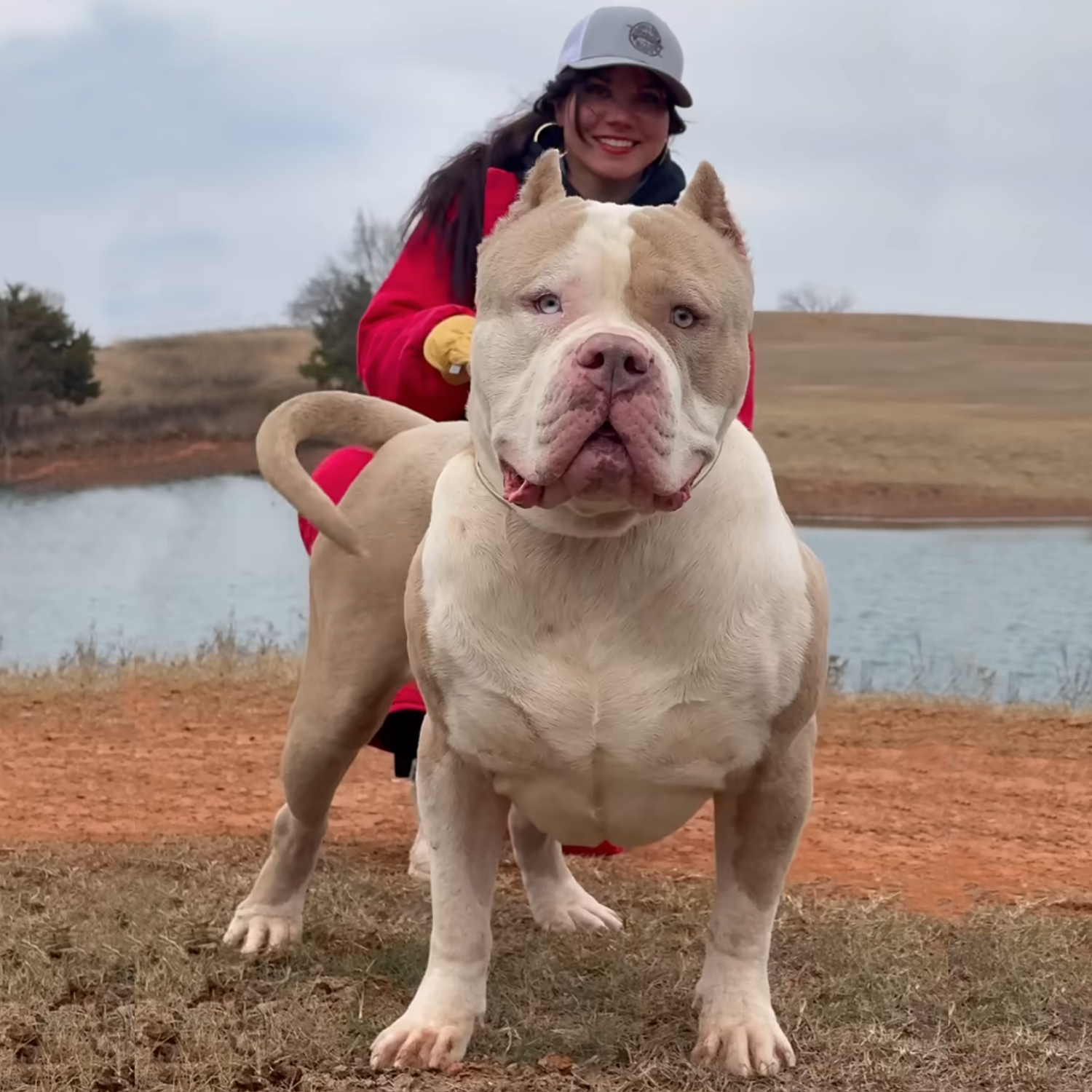
XL American Bully Dog

Manmade Kennels
Founder Eddie Perez explains how Expected Progeny Differences and other cattle-industry tools inform his approach to temperament and genetic diversity.
CHICKASHA, OK, UNITED STATES, June 18, 2026 /EINPresswire.com/ -- Eddie Perez has spent his career breeding both cattle and dogs, and he believes the two have more in common than most people assume. As founder of ManMade Kennels and ManMade Cattle, Perez argues that the genetic principles long used in the livestock industry can help American Bully breeders make better long-term decisions about temperament and the traits they pass to future generations.The American Bully breed has grown rapidly over the last two decades, and much of the public attention has focused on appearance. Perez believes the qualities most likely to shape the breed's future are often the ones that never show up in a photograph.
That view guides how ManMade Kennels approaches its breeding program, and it shapes the questions Perez encourages prospective owners to ask before they choose a puppy.
Why Temperament Matters
When prospective owners search for an American Bully puppy, appearance is often the first thing that captures their attention. However, breeders and owners with long-term experience frequently agree that temperament ultimately becomes the most important trait once a dog joins a family.
American Bully temperament influences how a dog interacts with children, strangers, other pets, and unfamiliar situations. A stable temperament can contribute to a positive ownership experience for years, while poor temperament can create challenges regardless of a dog's physical appearance.
As a result, many responsible dog breeders have increased their focus on temperament evaluation, puppy socialization, confidence-building exercises, and early environmental exposure.
The Relationship Between Phenotype and Genetics
One of the most common discussions in modern dog breeding centers around phenotype and genetics.
Phenotype refers to the physical traits that can be seen, including structure, size, color, muscle expression, movement, and overall appearance.
Genetics represent the inherited traits that may be passed from one generation to the next.
While phenotype remains an important part of breed preservation, experienced breeders understand that appearance alone does not tell the entire story.
A dog may possess an impressive phenotype, but long-term breeding success depends on understanding how traits are inherited and how they influence future generations.
Lessons From Livestock Genetics and Long-Term Breeding Programs
Much of that thinking comes directly from his work in the cattle industry.
"In the cattle industry, we rely heavily on genetic evaluation and long-term planning," Perez explained. "Phenotype matters because it's what people see, but genetics determine what gets passed to future generations. The most successful breeding programs learn how to balance both."
Perez notes that cattle breeders frequently use Expected Progeny Differences, commonly known as EPDs, to evaluate the likelihood that certain traits will be transmitted to offspring.
"EPDs help cattle producers look beyond appearance and make decisions based on measurable outcomes," Perez said. "While dog breeding operates differently, the principle is similar. Responsible breeders should be evaluating more than what looks good today. They should be thinking about temperament, health, structure, consistency, and what those decisions may produce years from now."
Genetic Diversity and Long-Term Sustainability
Many breeding experts believe that genetic diversity plays an important role in maintaining healthy populations.
Throughout animal breeding history, influential bloodlines have contributed valuable traits to future generations. However, long-term success often requires balancing consistency with genetic diversity.
The concentration of desirable genetics can create predictability, but breeders must also consider how repeated breeding decisions may affect future generations.
Maintaining genetic diversity can help support overall breed health, preserve valuable traits, and reduce the risk of concentrating undesirable characteristics within a population.
Strategic outcrossing has historically been one of the tools used by breeders across multiple species to introduce new genetics while preserving breed integrity.
Why Puppy Socialization Remains Critical
Genetics alone do not determine a dog's future behavior. Early puppy development and puppy socialization continue to play significant roles in shaping temperament and confidence.
Many responsible breeders focus on:
-Early socialization
-Positive human interaction
-Environmental enrichment
-Confidence-building activities
-Temperament evaluations
-Age-appropriate exposure to new experiences
These practices can help puppies develop into stable, adaptable companion dogs capable of thriving in a variety of environments.
Looking Beyond Trends
The growth of social media has accelerated the popularity of certain bloodlines, colors, and physical characteristics across many dog breeds.
While trends naturally occur within every breeding community, many experienced breeders encourage prospective owners to evaluate breeding programs based on more than appearance alone.
Questions regarding temperament, health testing, socialization practices, genetic planning, and long-term breeding goals often provide valuable insight into a breeder's philosophy and commitment to the future of the breed.
"The biggest lesson we've learned over the years is that long-term success requires long-term thinking," Perez said. "Whether you're breeding cattle or dogs, the goal should never be limited to what looks impressive today. The goal should be producing animals that continue to improve future generations."
The Future of the American Bully Breed
As interest in the American Bully breed continues to grow, discussions surrounding responsible dog breeding, genetic diversity, temperament, and puppy development are expected to remain important topics throughout the industry.
Many breeders, owners, and enthusiasts believe that the future of the breed depends on balancing phenotype, temperament, health, and genetics rather than prioritizing any single characteristic.
While trends may come and go, the principles of responsible breeding remain largely unchanged: prioritize temperament, preserve genetic diversity, support early puppy development, and make decisions that benefit future generations.
For additional information regarding American Bully temperament, responsible breeding practices, and canine genetics, visit ManMadeKennels.com.
About ManMade Kennels
ManMade Kennels is an American Bully breeding program founded by Eddie Perez. The kennel emphasizes temperament and responsible genetic planning, and it produces educational content for owners and enthusiasts who want to understand the breed beyond its appearance. Perez also operates ManMade Cattle, and he draws on both programs when discussing long-term breeding strategy. ManMade Kennels reaches a large audience online, including more than 120,000 subscribers on YouTube, where it shares information about the breed and the daily work of running a breeding program. More information is available at ManMadeKennels.com.
Edward Perez
ManMade Kennels
+1 302-272-3625
justarican112@gmail.com
Legal Disclaimer:
EIN Presswire provides this news content "as is" without warranty of any kind. We do not accept any responsibility or liability for the accuracy, content, images, videos, licenses, completeness, legality, or reliability of the information contained in this article. If you have any complaints or copyright issues related to this article, kindly contact the author above.
